Why Permanent Lights Are Better: A 2026 Homeowner's Guide
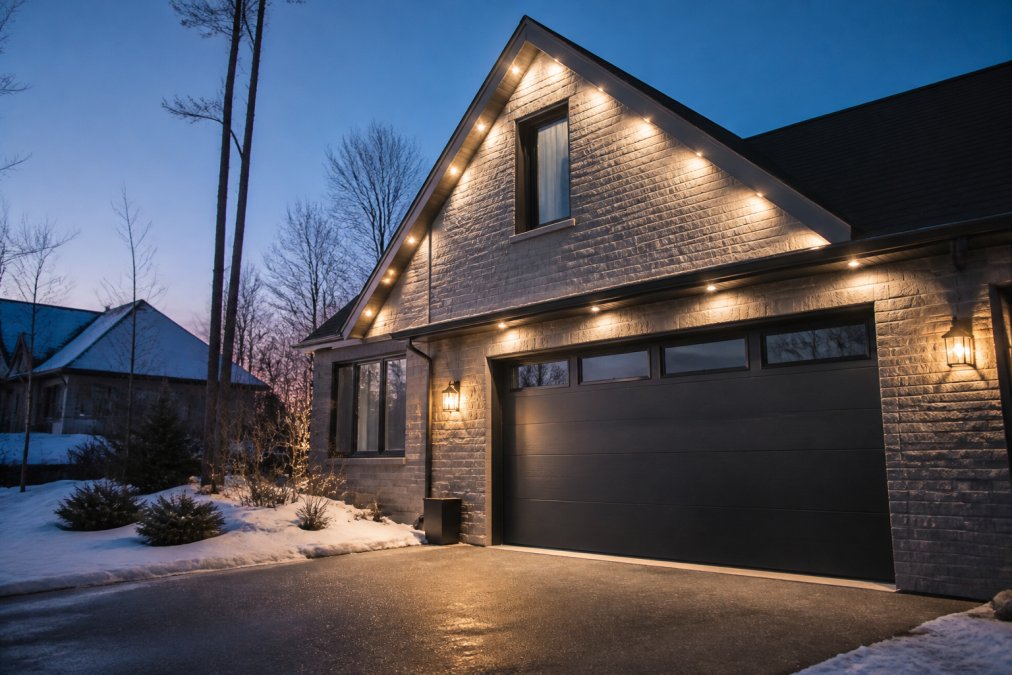
Discover why permanent lights are better than traditional holiday lighting for Canadian homes. Learn about durability, cost, and smart features. Explore.
Table of Contents
- The Real Cost of Traditional Holiday Lighting
- Why Permanent Lights Are Better for Year-Round Curb Appeal
- Permanent Christmas Lights Durability: Built for Canadian Winters
- The Permanent Outdoor Lighting Installation Process
- Understanding Permanent Holiday Lighting Cost
- Smart Home Integration and App-Controlled Lighting
- HOA and Local Ordinance Compliance for Permanent Lights
- Conclusion: Making the Switch to Permanent Lights
- Frequently Asked Questions
Last Updated: September 25, 2026
The Real Cost of Traditional Holiday Lighting
Permanent lights eliminate the recurring costs, safety risks, and seasonal hassle of traditional holiday lighting. Install once, control year-round, and stop climbing ladders in freezing temperatures.
This guide breaks down the real numbers behind seasonal versus permanent systems, from energy consumption to installation longevity. If you have ever priced a professional holiday lighting service or replaced another set of failed clip-on lights, the math becomes obvious fast.
The Hidden Expenses of Seasonal Decorating
Most homeowners underestimate what traditional holiday lighting costs over time. The purchase price of strings and clips is only the beginning.
Add replacement bulbs, extension cords, timers, and the hours spent untangling and testing strands each November. Many households replace a significant portion of their lights every few seasons, so the "cheap" option keeps charging you year after year.
Then there is the labour.
Safety Risks and Ladder Avoidance
Ladder falls are among the most common home injuries, and holiday lighting puts homeowners on roofs and extension ladders in icy conditions, twice a year, to install and to remove.
Why Permanent Lights Are Better for Year-Round Curb Appeal
Permanent lights are better for curb appeal because they stay installed and ready every night of the year, not just in December. Architectural lighting and exterior facade enhancement turn a house into a year-round showcase.
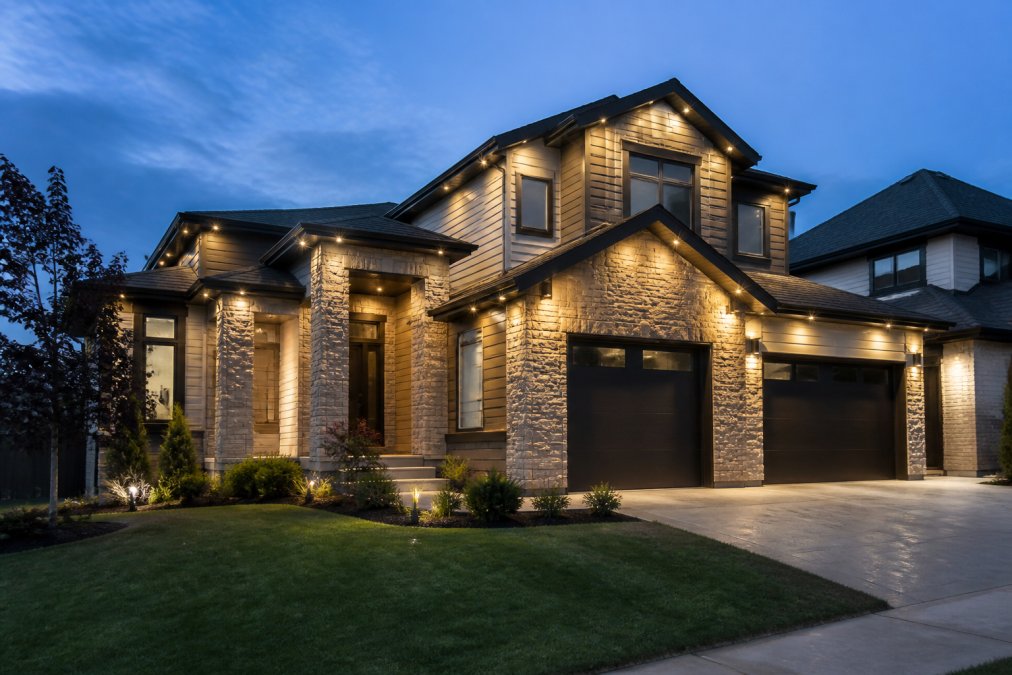
Architectural Lighting and Exterior Facade Enhancement
Permanent LED track systems wash light across soffits, gables, and stone facades rather than dangle in loops, closer to architectural lighting than holiday decorating.
Custom Color Palettes and Holiday Lighting Effects
Modern permanent systems use RGBW technology, combining full-color output with dedicated warm white diodes, accurate whites for everyday use and any color for holidays.
| Season | Color Scene | Typical Use |
|---|---|---|
| Spring | Soft warm white | Everyday curb appeal |
| Summer | Cool white or blue | Patio and facade accent |
| Fall | Orange and amber | Halloween effects |
| Winter | Red, green, multicolor | Holiday displays |
Permanent Christmas Lights Durability: Built for Canadian Winters
Permanent Christmas lights durability comes down to two things: weather-rated housing and a high ingress protection rating. A system rated IP67 is sealed against dust and survives temporary immersion, which matters when ice, snow, and freeze-thaw cycles hit. Cheap seasonal strings crack in the cold; permanent fixtures stay mounted through every season.
Weather-Rated Housing and IP67 Rating Explained
IP67 means the fixture is fully dust-tight and protected against water immersion up to one metre for 30 minutes, reliable through rain, snow, and ice.
Maintenance-Free Operation and Warranty Coverage
A permanent system is maintenance-free once installed: no strands to replace, no clips to reattach, no bulbs to chase down each season. Warranty coverage varies by provider, so confirm the term and what it includes before buying, a longer warranty signals confidence in the hardware.
Technical Repairability: What Happens When a Single LED Fails
What happens when one LED fails or a section of track is damaged? A well-designed permanent system is modular: individual track sections unclip and replace without disturbing the rest of the run, and splicing cords let installers join sections and route power, so one failure does not take down the whole facade.
Cold-Weather Performance and Thermal Management
LEDs actually perform better in cold temperatures; they are more efficient and run cooler than in summer heat. The winter weak points are the power supply and controller. Look for an outdoor-rated driver rated to -40°C, mounted where it will not collect meltwater.
The Permanent Outdoor Lighting Installation Process
The permanent outdoor lighting installation process typically takes one to two days for a single-family home, depending on roofline length and complexity. Most of that time goes into mounting the track and routing wiring cleanly.
Mounting Hardware and Low-Profile Track Systems
A low-profile track is the backbone of the system. It holds the LEDs, hides the wiring, and blends into the fascia so it is nearly invisible in daylight.
Professional vs. DIY Installation: What to Know
DIY lighting kits exist and can work for simple, single-story applications, but permanent systems involve splicing cords, managing voltage drop, and connecting to a power source safely.
Here is how the two paths compare:
| Factor | Professional Installation | DIY Installation |
|---|---|---|
| Time | 1-2 days | Several weekends |
| Electrical safety | Handled by installer | Your responsibility |
| Warranty | Often covered | Usually void if self-installed |
| Best for | Multi-story, complex rooflines | Simple single-story runs |
| Risk of error | Low | Moderate to high |
Understanding Permanent Holiday Lighting Cost
Permanent holiday lighting cost depends on roofline length, system quality, and whether you choose professional installation. Any provider quoting a single number without seeing your home is guessing. What matters is the long-term comparison: a permanent system is a one-time investment, while seasonal lighting is a recurring expense that never ends.
Cost-Benefit Analysis vs. Traditional Lights
Run the numbers over five to ten years. Traditional lighting means buying replacements, hiring installers, and absorbing the time cost of setup and takedown every year. A permanent system front-loads the cost, then drops to near zero beyond a small amount of electricity.
| Cost Category | Traditional Seasonal Lights | Permanent LED System |
|---|---|---|
| Initial hardware | Low per strand, but replaced every 2-3 seasons | Higher upfront, designed to last 10+ years |
| Annual installation | $200-$800 for professional install/removal (varies by region and roofline) | $0 after first year |
| Replacement bulbs/strands | $50-$150 per season | $0 (modular sections replaceable) |
| Energy (per season) | Higher with incandescent; lower with LED strings | Very low with dimmable LEDs |
| Time cost | 4-10 hours per year | Near zero after setup |
Energy Efficiency and LED Technology Savings
LEDs consume a fraction of the power of incandescent bulbs, and dimmable LEDs let you run at lower output for everyday use. With efficient diodes, timer scheduling, and app control, you are not paying to light an empty house at 3 a.m.
The Resale Value Angle: A Financial Justification Competitors Miss
Most guides stop at the break-even calculation, but permanent lighting also affects resale value. It is a fixed exterior improvement, similar to architectural soffit lighting or landscape lighting, and real estate professionals often note that exterior lighting enhances curb appeal and perceived home value, particularly for evening showings.
Smart Home Integration and App-Controlled Lighting
Smart home automation is where permanent lighting pulls ahead of anything seasonal. App-controlled lighting lets you change colors, brightness, and schedules from your phone.
Smart Hub Connectivity and Timer Scheduling
Smart hub connectivity ties the lighting into the rest of your home system, letting you trigger scenes alongside other devices or set the lights to respond to sunrise and sunset.
Technical Repairability and Splicing Cords
A common concern is what happens when something fails. Good permanent systems are repairable: individual sections can be replaced rather than the entire run.
HOA and Local Ordinance Compliance for Permanent Lights
Permanent lighting is generally easier to keep compliant than seasonal displays because it stays mounted and out of sight during the day. Still, check your rules before you buy.
Conclusion: Making the Switch to Permanent Lights
The case for permanent lights is not about one benefit. It is the combination of safety, year-round curb appeal, durability, and long-term savings that makes seasonal lighting feel outdated.
Frequently Asked Questions
Are permanent Christmas lights worth the investment for Canadian homes?
Yes, for many homeowners. Permanent lights eliminate the annual cost of buying and replacing strings, plus the safety risk of winter installation. They are engineered to handle freeze-thaw cycles and heavy snow loads. While the upfront cost is higher than a single season of hardware store lights, the system pays for itself over several years through reduced replacement purchases and lower energy use from LED technology.
How many years do permanent outdoor lighting systems typically last?
Most quality systems are designed to last 10 to 15 years or more. The LEDs themselves often carry a rated lifespan of 50,000 hours, which is decades of typical evening use. The weak point in any system is the housing and connections. Look for weather-rated enclosures and proper splicing cords to ensure the installation longevity matches the bulb life.
Do permanent lights require maintenance during harsh winter weather?
High-quality permanent lights are designed to be maintenance-free through Canadian winters. The key is the IP67 rating, which means the fixtures are dust-tight and protected against water immersion. This prevents moisture from entering the housing and shorting the LEDs. You may occasionally need to clear heavy snow accumulation, but the lights themselves do not need to be removed or covered.
Can permanent lights be used for more than just holiday decorating?
Absolutely. This is one of the main reasons they are better. You can set them to warm white for everyday architectural lighting and curb appeal. For holidays, you can switch to custom color palettes or festive effects using the app. They also work well for parties, sporting events, or highlighting your home's exterior facade year-round.